
Connecticut asks doctors to report cases of Zika virus
The U.S. Government is in the process of developing a travel warning to places like Brazil and the Caribbean due to the Zika virus.
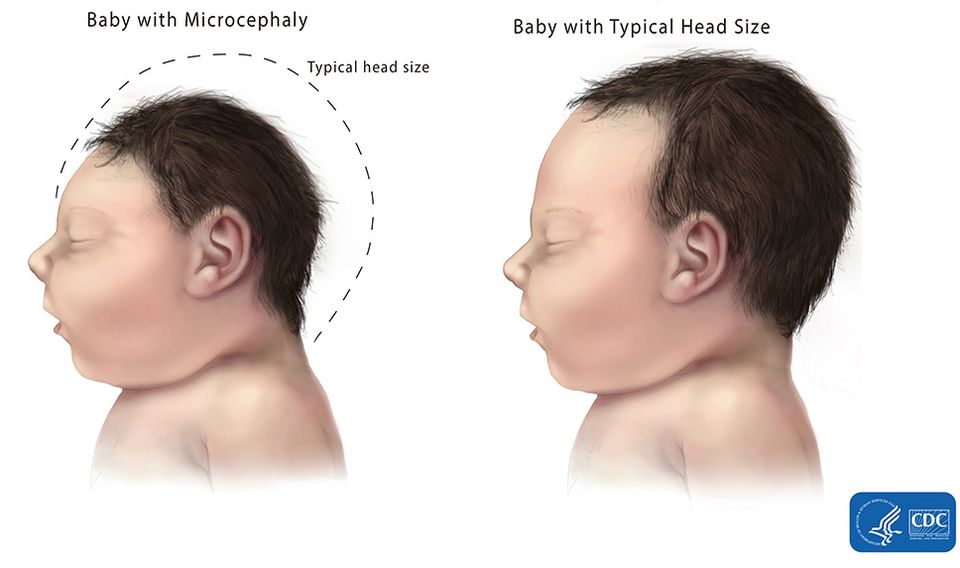
A baby born with brain damage at a hospital in Oahu, Hawaii, was infected by the Zika virus, US health officials confirmed on Saturday, apparently the first case of the mosquito-borne virus in a birth on USA soil.
'Neither the baby nor the mother are infectious, and there was never a risk of transmission in Hawaii'.
"That suggests a stronger and stronger relationship of Zika and microcephaly". "We're aggressively working on a Zika vaccine but the best thing right now is avoidance or mosquito control".
Until recently, the Zika virus was not widely associated with the congenital brain condition.
But since the virus arrived in Brazil, there have been a slew of microcephaly cases leading to concerns of a potential link between the two. Fewer than 150 such cases were seen in all of 2014.
The newborn's mother likely became infected with the virus while she was living in Brazil earlier in 2015 and the baby acquired the infection while in the womb, the department reported.
The U.S. Centers for Disease Control and Prevention issued an alert Friday advising pregnant women to avoid traveling to Brazil and several other countries in the Americas where Zika outbreaks have occurred.
"Until more is known, and out of an abundance of caution, CDC recommends special precautions", the agency said. But the jump in microcephaly cases is alarming, and researchers are focused on the likelihood that there is actually a connection.
"That's a pandemic in progress", said Dr. Anthony Fauci, director of The National Institute of Allergy and Infectious Diseases at NIH, who wrote a recent Zika-related editorial in the New England Journal of Medicine. Drugs, alcohol and exposure to some chemicals during pregnancy can also contribute to an embryo suffering from microcephaly.
The Zika virus is part of the flavivirus family, which contains the deadly yellow fever virus, as well as West Nile, chikungunya, and dengue. However, CDC is still receiving samples for Zika virus testing from returning US travelers who became ill in 2015 or 2016. The same insect passes on the viruses that cause dengue fever and yellow fever, the CDC says.
"Pregnant women in any trimester should consider postponing travel to the areas where Zika virus transmission is ongoing".
The Aedes mosquito lives mostly in subtropical and tropical areas but can survive in other climates, too.
The U.S. has warned pregnant women from travelling to a number of countries across Latin America and the Caribbean after new cases of the Zika virus were found.
More news: Israeli to monitor Iran for any violations of n-deal: Netanyahu
